
Tooth pain is a common dental complaint that can range from mild discomfort to severe, throbbing pain. It can interfere with eating, speaking, and daily activities, making it important to understand the underlying causes and available treatments. Recognizing the signs and knowing when to seek professional help can prevent further complications and restore oral health.
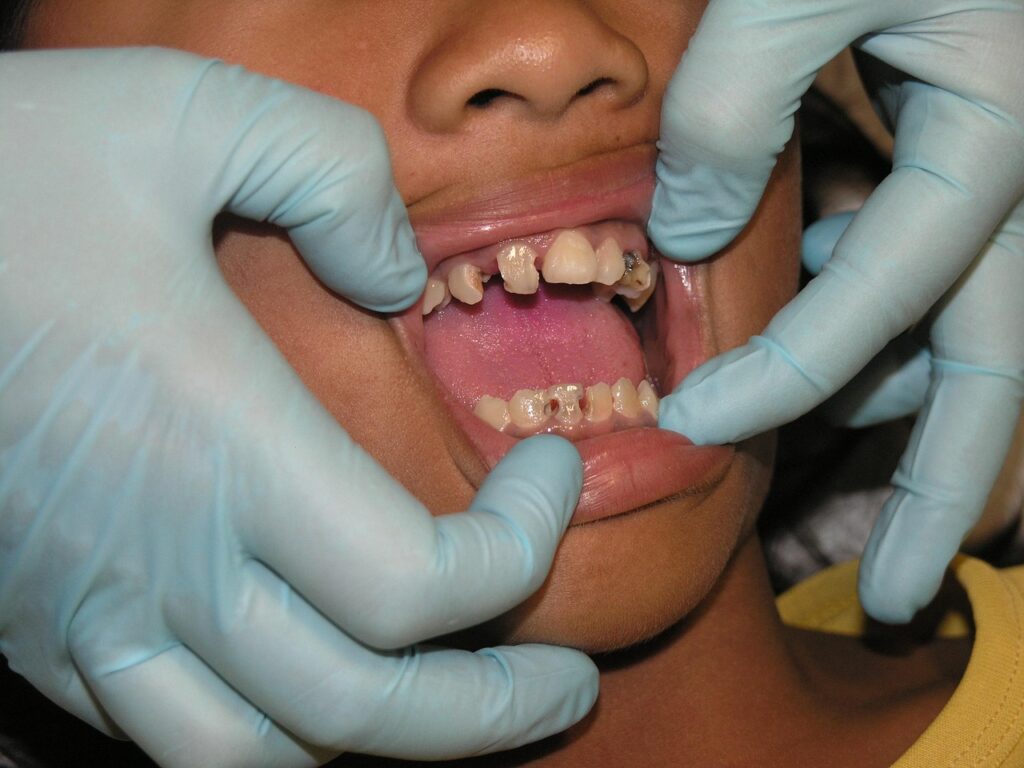
Common Causes of Tooth Pain
Tooth Decay: Cavities caused by bacterial infection are a leading cause of tooth pain. As decay progresses, it can reach the inner layers of the tooth, causing sensitivity and discomfort.
Gum Disease: Inflammation or infection of the gums (gingivitis or periodontitis) can lead to pain, swelling, and bleeding.
Dental Abscess: A pocket of pus caused by infection can result in severe, persistent pain, swelling, and sometimes fever.
Tooth Fracture or Crack: Cracks or breaks in a tooth can expose sensitive nerves, leading to sharp pain, especially when chewing.
Tooth Sensitivity: Worn enamel, receding gums, or exposed tooth roots can cause pain when consuming hot, cold, sweet, or acidic foods and drinks.
Impacted Wisdom Teeth: When wisdom teeth do not have enough space to emerge, they can cause pain, swelling, and infection.
Teeth Grinding (Bruxism): Habitual grinding or clenching can wear down teeth and cause jaw and tooth pain.
Symptoms Associated with Tooth Pain
Sharp, throbbing, or constant pain
Sensitivity to temperature or sweet foods
Swelling around the tooth or gums
Red, inflamed, or bleeding gums
Pain when biting or chewing
Bad taste or odor in the mouth
Fever (in cases of infection)
Home Remedies for Temporary Relief
Rinse with warm salt water to reduce inflammation and clean the area.
Use over-the-counter pain relievers as directed.
Apply a cold compress to the outside of the cheek to reduce swelling.
Avoid very hot, cold, or sugary foods and drinks.
Maintain good oral hygiene by brushing and flossing gently.
When to See a Dentist
Tooth pain that lasts more than a day or two, is severe, or is accompanied by swelling, fever, or difficulty swallowing requires prompt dental attention. Delaying treatment can lead to more serious complications, including tooth loss or the spread of infection.
Preventing Tooth Pain
Brush teeth twice daily with fluoride toothpaste.
Floss daily to remove plaque between teeth.
Limit sugary and acidic foods and drinks.
Visit the dentist regularly for checkups and cleanings.
Wear a mouthguard if grinding teeth at night
Address dental issues promptly to prevent worsening problems.

Conclusion
Tooth pain is a signal that something is wrong and should not be ignored. Understanding the causes and seeking timely treatment can relieve discomfort and protect oral health. Practicing good dental hygiene and regular dental visits are the best ways to prevent tooth pain and maintain a healthy smile.
hi