The Importance of Regular Use of best Toothpaste, Mouthwash, and Dental Floss for Oral Hygiene and Maintaining good oral hygiene is essential for healthy teeth, gums, and overall well-being. While brushing is a fundamental part of daily care, combining toothpaste, mouthwash, and dental floss creates a comprehensive routine that effectively removes plaque, prevents cavities, and keeps breath fresh. Here’s how each component contributes to optimal oral health.
Table of Contents
TOOTHPASTE
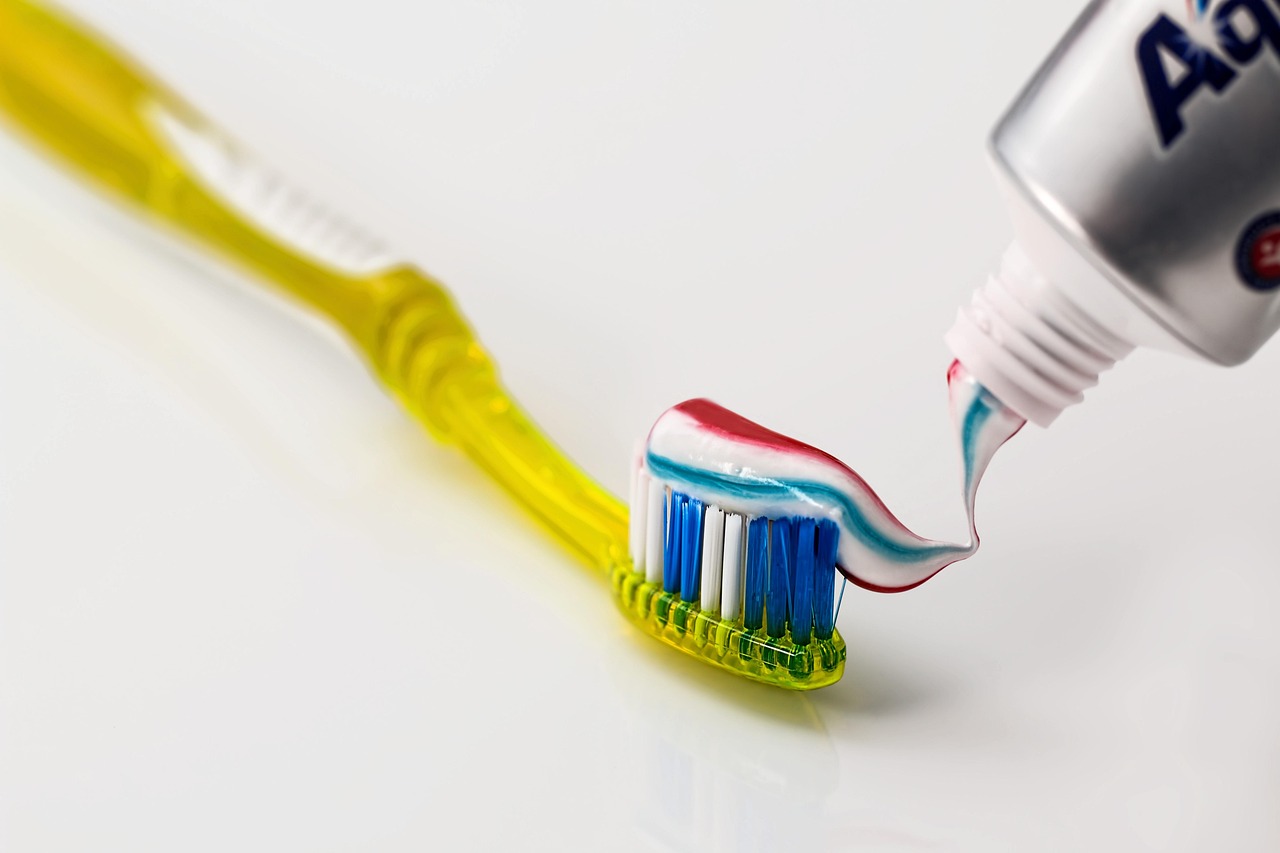
best Toothpaste, especially those containing fluoride, plays a crucial role in cleaning teeth and protecting against decay. It helps remove food particles, plaque, and surface stains while strengthening enamel and reducing the risk of cavities.When it comes to oral care, toothpaste plays a much bigger role than most of us realize. Brushing daily is not just about fresh breath, but also about protecting our teeth, gums, and overall oral health. With so many toothpaste brands available in the market, choosing the best toothpaste can feel overwhelming. Whether your concern is cavity prevention, whitening, sensitivity, or gum protection, the right toothpaste can make all the difference.
Why Choosing the Right Toothpaste Matters
Every smile is unique, and so are dental needs. A toothpaste is not just a cleaning agent; it contains active ingredients that target specific problems like plaque, tooth decay, gum disease, and bad breath. A good toothpaste ensures:
Stronger enamel
Protection from cavities
Healthy gums
Fresh breath
Confidence in your smile
Using the wrong toothpaste may not harm immediately, but in the long run, it can leave your teeth vulnerable to decay or sensitivity.
Benefits of Regular Toothpaste Use:
Removes plaque and bacteria
Strengthens tooth enamel with fluoride
Freshens breath
Helps prevent tooth decay and gum disease
How to choose the best toothpaste for you:
- Identify your dental concern—cavities, sensitivity, or stains.
- Consult your dentist for professional advice.
- Choose a toothpaste with ADA (American Dental Association) or IDA (Indian Dental Association) approval for safety.
- Avoid abrasive toothpaste if you have enamel wear.
Different types of toothpaste:
- Toothpastes are designed to meet different oral health needs. Some common varieties include:
- Anti-Cavity Toothpaste: Enriched with fluoride for strong enamel.
- Whitening Toothpaste: Removes surface stains for a brighter smile.
- Sensitive Toothpaste: Reduces tooth pain caused by hot or cold foods.
- Herbal Toothpaste: Natural extracts like neem, clove, or miswak for gum health.
- Kids’ Toothpaste: Mild, safe, and often flavored to encourage regular brushing.
How to Use:
Brush teeth at least twice daily with a pea-sized amount of best fluoride toothpaste.
Use a soft-bristled toothbrush and gentle, circular motions.
Brush for at least two minutes, covering all tooth surfaces.
MOUTHWASH
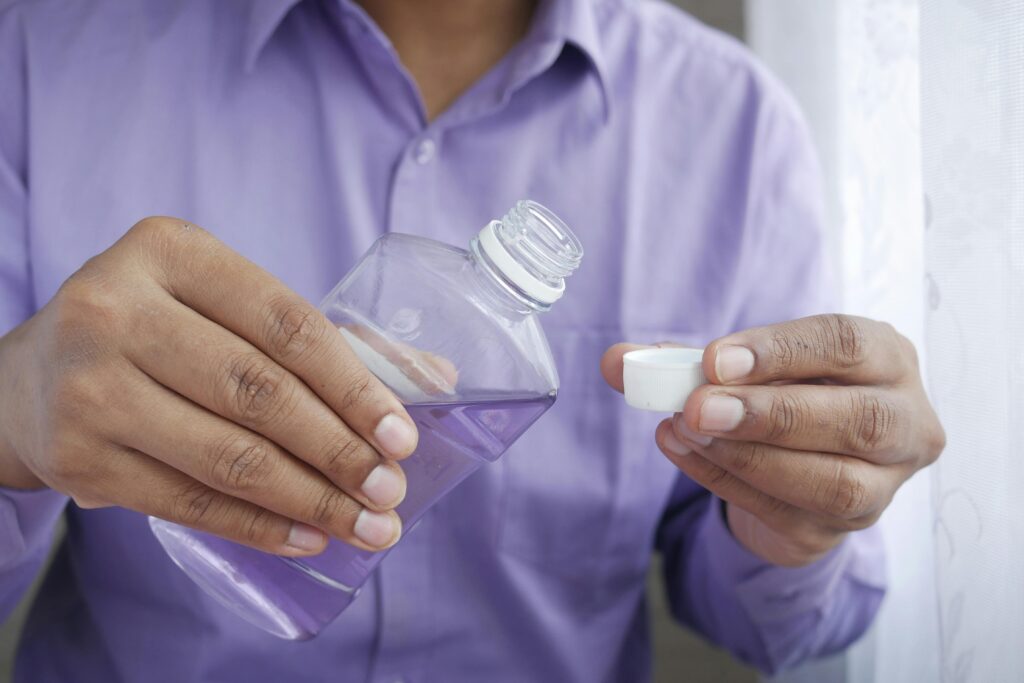
Mouthwash is a liquid rinse that reaches areas brushing and flossing may miss. It can help reduce bacteria, freshen breath, and provide additional protection against cavities and gum disease.
Benefits of Regular Mouthwash Use:
Reduces bacteria and plaque in the mouth
Reaches hard-to-brush areas
Freshens breath
Some formulas contain fluoride for extra cavity protection
How to Use mouthwash:
Use mouthwash after brushing and flossing, or as directed on the label.
Swish the recommended amount in the mouth for 30 seconds, then spit out.
Avoid eating or drinking for at least 30 minutes after use for best results.
Dental Floss
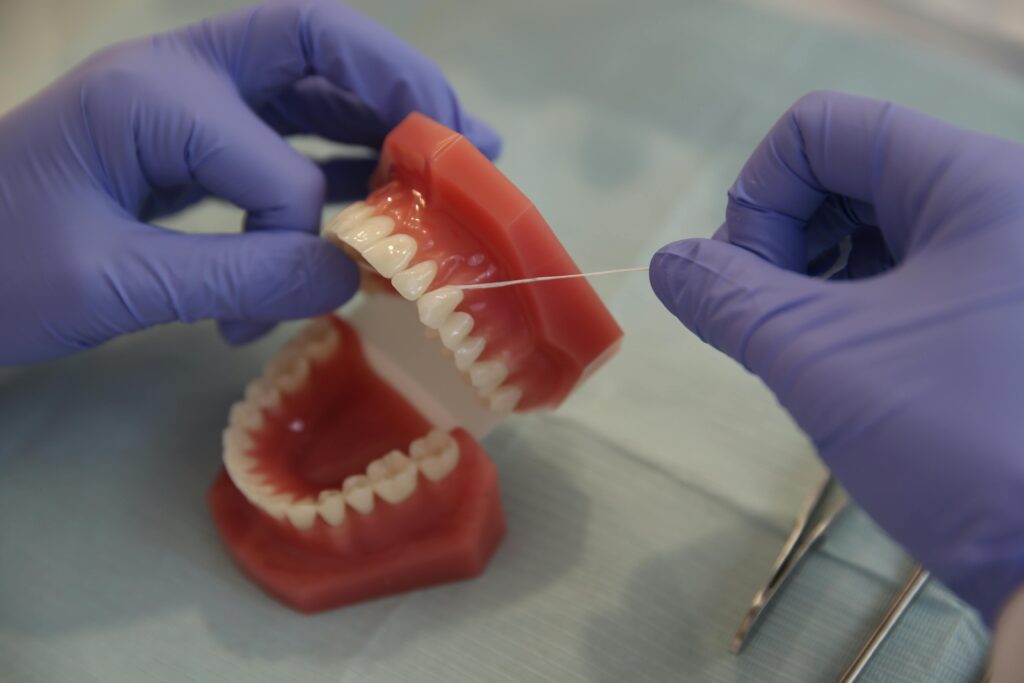
Dental floss removes plaque and food particles from between teeth and under the gumline, where toothbrush bristles can’t reach. Flossing daily is vital for preventing cavities and gum disease.
Benefits of Regular Flossing:
Removes debris and plaque between teeth
Reduces risk of gum disease and cavities
Helps prevent bad breath caused by trapped food particles
How to Use dental floss:
Use about 18 inches of floss, winding most around each middle finger.
Gently slide the floss between teeth, curving it around each tooth and moving it up and down.
Use a clean section of floss for each tooth.
Creating a Complete Oral Hygiene Routine
Brush with fluoride toothpaste twice daily.
Floss once a day to clean between teeth.
Rinse with mouthwash to reduce bacteria and freshen breath.
conclusion
Regular use of good toothpaste, mouthwash, and dental floss forms the foundation of effective oral hygiene. This routine helps prevent cavities, gum disease, and bad breath, supporting a healthy mouth and a confident smile. Consistent care, combined with regular dental checkups by best dentist, ensures long-term oral health.Brushing with the right toothpaste is the foundation of good oral health. The best toothpaste is not about fancy packaging or strong flavors—it’s about addressing your specific dental needs and keeping your smile healthy for years to come. Pair it with proper brushing technique, flossing, and regular dental checkups for the best results.
A bright smile starts with the right choice of good toothpaste. So, take a few minutes to understand your needs, read the labels carefully, and pick the best toothpaste that truly supports your oral health.